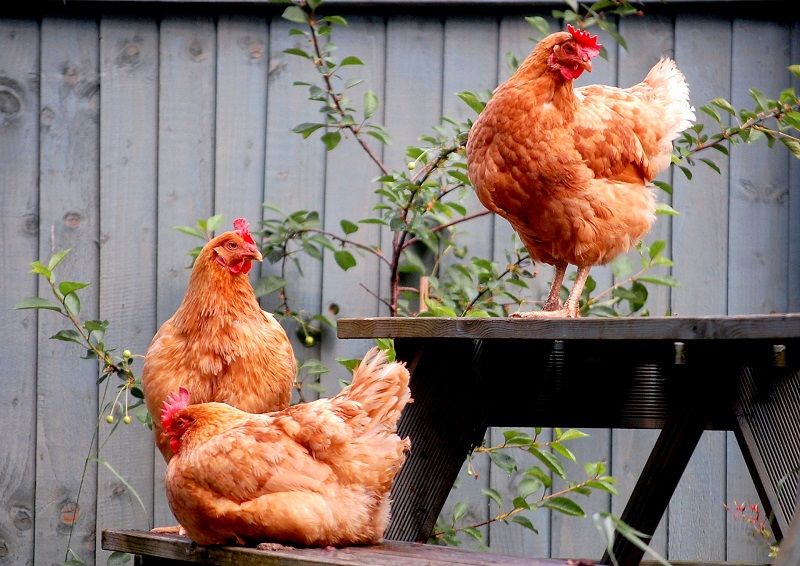
The British Hen Welfare Trust (BHWT), the national charity dedicated to improving the lives of laying hens, has welcomed the government’s newly published Animal Welfare Strategy for England, including its commitment to work with the egg industry to phase out enriched cages for laying hens.
The announcement comes ahead of a UK-wide public consultation on proposals to ban the keeping of laying hens in cages, which Defra is launching today, Monday, January 12th.
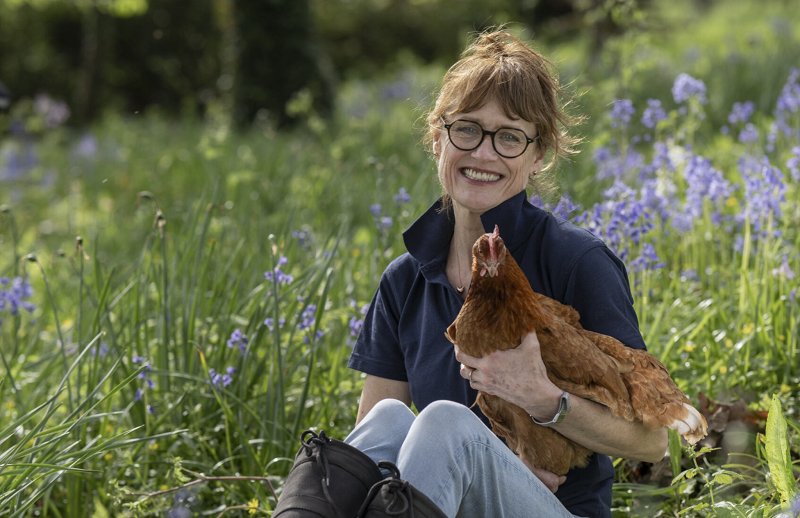
BHWT Founder and CEO Jane Howorth MBE said:
“This new strategy draws a line in the sand: a hen should be offered a life that mirrors as closely as possible her natural existence. We welcome the government’s commitment to phase out cages, but it only matters if it is delivered in a manner that improves welfare and supports farmers. That means a clear end-date, and practical support for farmers to transition to genuinely higher-welfare systems.
“As the charity that rehomes ex-commercial hens at the end of their laying lives, the BHWT sees first-hand the difference that space, enrichment and natural behaviours make to a hen’s wellbeing.”
Enriched colony cages replaced barren battery cages and include mandated features such as perches, nest boxes and a litter or scratch area. However, Defra’s strategy itself notes that these systems still restrict hens’ ability to move freely and carry out natural behaviours such as running, wing-flapping, dustbathing and foraging.
As Defra launches its public consultation on phasing out cages for laying hens, the BHWT hopes the next phase of work will focus on:
1/ A clear, timebound plan for ending the use of cages for laying hens
2/ Support for farmers to make changes that improve welfare in practice, not just on paper
3/ Robust implementation so progress is measurable and meaningful
4/ Trade safeguards, so UK producers raising welfare standards are not undercut by cheaper, lower-welfare imports
Jane Howorth added: “British people care deeply about animal welfare, and many assume cages are already a thing of the past. Hens need to be able to stretch, dustbathe and roam to have any meaningful wellbeing in their lives. This government strategy can be a genuinely historic moment, but the detail matters. We want to see a transition that is workable for farmers and transformative for hens.”
Defra’s latest published egg statistics show that around one in six eggs in the UK still comes from caged systems, underlining the scale of change needed to deliver meaningful welfare improvements.
The BHWT’s work focuses on both improving hen welfare across the commercial sector and rehoming ex-commercial hens at the end of their laying lives. The charity rehomes around 60,000 hens every year through a UK-wide network of volunteers and rehoming sites.