By Maxwell Harding, CEO and Founder of digital ordering platform, Dynamify.
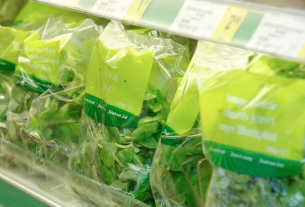
Food waste often starts long before it reaches the bin, usually with a simple planning mistake. A small forecasting error can quickly snowball into large amounts of waste, affecting both sustainability and profit margins. Globally, around 30% of all food produced is either lost or wasted, which is especially concerning given that the food and agriculture sector accounts for roughly one-third of global greenhouse gas emissions. For F&B operators, reducing waste is no longer a “nice to have”, but an integral part of running an efficient, responsible, and sustainable business.
AI and predictive analytics
One of the most effective ways operators can reduce waste is by leveraging digital innovations that link demand more closely to production. In practical terms, that means replacing guesswork with data. AI and predictive analytics can forecast demand far more accurately than manual planning by looking at things like past orders, customer habits, and even factors like the weather. For example, hot and sunny days might drive higher sales of cold drinks and salads, while rainy days can increase demand for hot meals and delivery orders.
Digital ordering platforms play a crucial role here. Every order placed becomes a data point, helping operators understand what customers actually want, when they want it, and in what quantities. By using these insights, businesses can adjust production and purchasing in real time, reducing overproduction and unnecessary waste.
Smarter inventory management
Even with accurate demand forecasts, waste can still creep in if inventory isn’t tightly controlled. Small errors in stock management such as over-ordering or poor visibility across storage locations, can create waste long before products reach its expiration date.
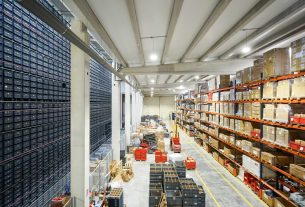
Advances in IoT and automation are changing this. Sensors and smart inventory tools can track storage conditions and product movement in real time, essentially acting as “constant eyes” on fridges, freezers and storage rooms. With better visibility into temperature, humidity, and stock levels, teams can apply First Expired, First Out (FEFO) rules more reliably and prevent stock from quietly slipping through the cracks until month-end checks.
Competitive advantage through data and transparency
Beyond waste reduction, automation also opens the door to broader sustainability advantages. Digital ordering and EPoS systems that integrate carbon labelling, give customers visibility of the environmental impacts of their meal choices at point of sale. By connecting menu items to carbon calculations, operators can display emissions data directly on digital menus, turning sustainability from back-of-house metric into customer-facing insights.
Operators that use this data effectively, not only reduce their environmental footprint, but also strengthen brand trust, improve customer loyalty and help differentiate themselves in an increasingly competitive market.
A common concern is that all this sounds costly and complex – and that’s understandable. But when businesses break it down and use automation to remove repetitive manual tasks and support smarter decision-making, they create more efficient operations that reduce waste.
By gathering and leveraging insightful data, F&B professionals can make better decisions that align with both financial and sustainability goals. With margins tight and expectations rising, real-time visibility, improved efficiency, and accurate forecasting give businesses the foundation that they need to succeed in a more sustainable way.