In today’s fast-paced packaging facilities, agility has become more than a nice-to-have — it is key to productivity. Using a plug-and-play approach, manufacturers can introduce modularity to their packaging automation and benefit from this flexibility. Here, Mark Richards, regional manager at automation control specialist Beckhoff UK, explores how modularity can help manufacturers streamline their packaging processes.
Automation isn’t new in the packaging world. Industries like pharmaceutical, medical technology and food and beverage all benefit from automated pick-and-place, labelling and case packing systems. Some have gone the extra mile, using vision cameras to inspect their products and reject those that don’t meet the grade.
Traditionally, packaging lines were designed for specific products and throughputs, which can be effective when working with long production runs. However, they’re also rigid. Even minor changes like adding a new pack size or switching materials can require extensive reengineering. This results in downtime and added costs.
Enter modularity
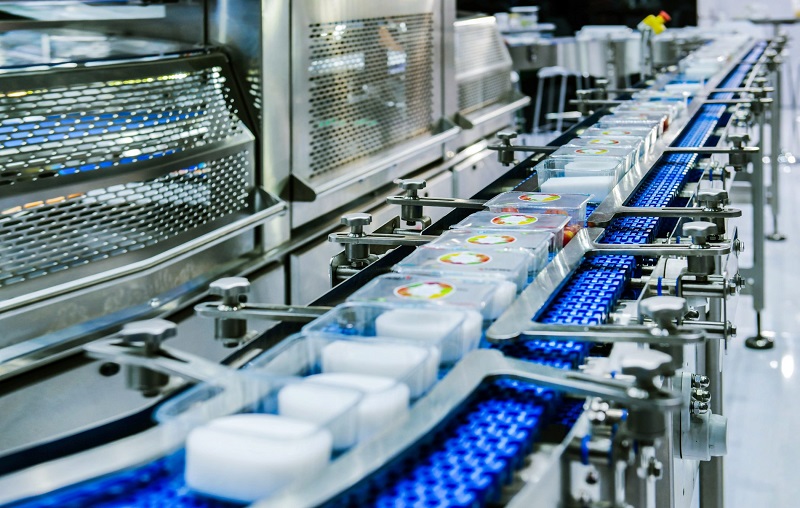
When going modular, manufacturers can treat their packaging lines as a series of self-contained units, like sealers, labellers and carton erectors, that they can easily connect, remove and replace when needed. Thanks to this simple plug-and-play capability, new modules are quickly recognised by the control system with little configuration.
Clearly, this flexibility is an advantage. Many production and packaging lines are facing increasing stock-keeping unit (SKU) counts, seasonal campaigns and growing demand for personalised and sustainable packaging, so being able to reconfigure lines without disruption can only be a positive.
As packaging requirements change, whether it’s because of regulatory changes, material availability or changing demands, modular systems provide a cost-effective way to be flexible. Rather than investing in an entirely new line, manufacturers can add and swap out modules in increments. This means they can extend the usable life of their existing equipment while keeping their competitive edge.
The importance of automation
These modular packaging lines are centred around sophisticated automation technologies that support the integration of individual processing units. For example, manufacturers can combine PC-based control systems with real-time communication networks like EtherCAT. Using this setup, manufacturers can have several modules, such as sealers and labellers, working independently while sharing data with the central control system.
Another important consideration is the use of standardised communication protocols and open control architectures. Together, these enable interoperability across different equipment suppliers and, therefore, can help manufacturers scale their packaging lines easily. By avoiding vendor lock-in, they can upgrade and modify different sections and parts without needing to redesign the entire control infrastructure — a pain known by many in the industry.
It’s not just the flexibility, either. This level of automation also supports predictive maintenance, remote diagnostics and centralised monitoring, helping improve uptime in already-stretched packaging lines.
Modularity and sustainable packaging
Many companies are under pressure to reduce waste, lower energy consumption and use more sustainable materials, like biodegradable and recyclable packaging. These changes can be challenging with traditional fixed lines, where even small material substitutions often require full system redesigns. Sealing temperatures, cutting tolerances and product handling may all need adjusting, which can easily result in downtime and material waste during setup.
A modular approach offers a more agile solution. Manufacturers can make targeted upgrades, like replacing only a sealing or forming module, to accommodate new materials such as recyclable films. This avoids scrapping entire systems and allows for the phased implementation of greener packaging options.
Packaging lines are known for being rigid, but modularity can provide a level of flexibility. These facilities must be willing to adapt if they hope to keep up with changes in customer demand, regulations and attitudes towards packaging materials. By going modular and using a ‘plug and produce’ approach, they can do this incrementally and cost-effectively.