Food production requires a lot of energy and resources. This can lead to pollution and climate change. However, thanks to modern technology, food manufacturers have more opportunities to make greener choices that reduce their environmental impact.
With that in mind, let’s take a look at some of the tech innovations that are supporting sustainability in the food manufacturing industry.
Solar Power
The food manufacturing industry is one of the UK’s most energy-intensive sectors, accounting for around 10% of the UK’s manufacturing energy use. But with the FDF (Food and Drink Federation) aiming to halve greenhouse gas emissions in the UK’s agri-food supply chain by 2030, focusing on reducing that energy consumption has become critical for food manufacturers.
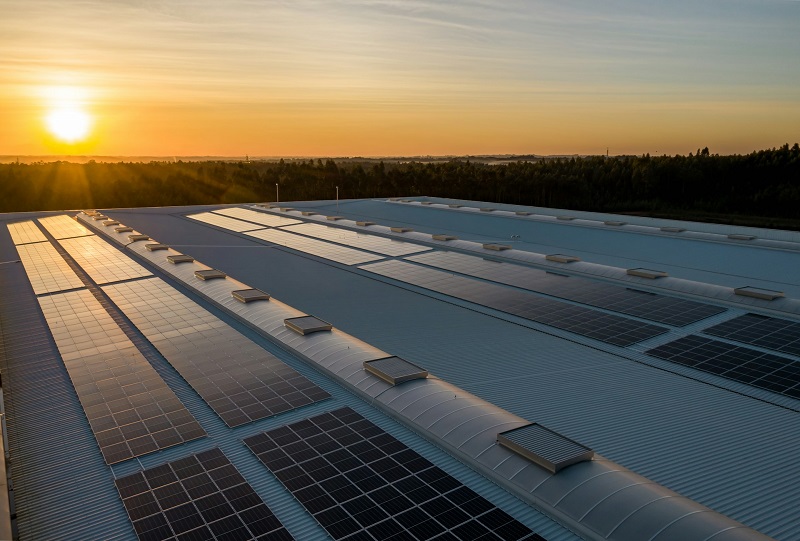
When it comes to meeting this target, solar panels for food manufacturers are a great example of a modern technology that’s allowing manufacturers to generate cleaner energy with ease. And since most manufacturing plants and warehouses have large, flat roofs, panel installation is often a quick and simple process.
Non-Thermal Processing
Traditionally, heat is used to destroy harmful pathogens and enzymes to extend shelf life and make food safer. While making food safe is critical, this process does use a considerable amount of energy, which can have a negative impact on the environment.
Luckily, technologies like Cold Plasma and Pulsed Electric Field, which eliminate bacteria using much less electricity than their heat-based counterparts, have emerged and are effectively reducing energy consumption across the industry.
Eco-Friendly Packaging
Single-use plastic is a major problem for the environment. Unfortunately, the food industry produces a lot of it. But, thanks to certain advances, edible, bio degradable, and compostable packaging is now available and it’s helping to significantly reduce single-use plastic.
Improving the Sustainability of Food Manufacturing is Essential
While there have been improvements in recent years, the food manufacturing industry is still famously poor when it comes to its environmental standards. Single-use plastics, high energy and water usage, greenhouse gas emissions, and food waste all contribute. But increasing pressure on companies to reduce their carbon footprint has led to an increase in tech innovations that are making it easier for businesses to go green.
Solar power, sanitisation alternatives, and eco-friendly packaging are all helping manufacturers in the food industry limit their impact on the environment. As a bonus, this is also helping to cut costs and boost brand reputations, giving companies a much-needed advantage in a fiercely competitive market.